




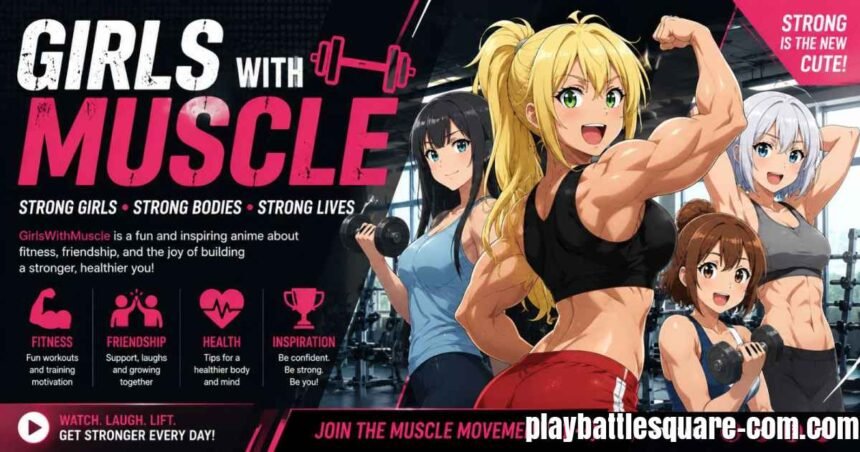
The phrase Girls With Muscle has become much more than a fitness trend in 2026. It represents a global movement that celebrates strength, confidence, discipline, body positivity, and athletic performance. More women than ever are embracing resistance training, building lean muscle, and challenging outdated beauty standards that once discouraged lifting weights.
From competitive female bodybuilders to CrossFit athletes, powerlifters, and everyday gym enthusiasts, women around the world are proving that muscle is feminine and that strength comes in many forms. Social media hashtags such as #GirlsWithMuscle, #MuscleGirls, #FemaleFitness, and #FemaleBodybuilding have collectively generated billions of views, inspiring millions to begin their own fitness journey.
Whether your goal is strong glutes, sculpted shoulders, defined abs, increased athletic performance, or simply becoming healthier, this complete Girls With Muscle guide for 2026 explains everything you need to know, from training and nutrition to common myths and practical beginner tips.
What Does Girls With Muscle Really Mean in 2026?
In today’s fitness world, Girls With Muscle is about far more than appearance. It reflects a lifestyle built on consistency, resilience, discipline, and self-improvement.
Building muscle does not mean trying to look like someone else. Every woman has different genetics, goals, and preferences. Some enjoy developing a lean, athletic physique, while others pursue competitive bodybuilding or strength sports. Others simply want to feel stronger in everyday life.
The movement embraces women who enjoy:
- Strength training
- Building lean muscle mass
- Functional fitness
- Healthy body composition
- Improved athletic performance
- Greater confidence
- Positive body image
Rather than focusing only on weight loss, today’s fitness culture increasingly emphasizes strength, health, mobility, and long-term wellness.
The Amazing Benefits of Building Muscle for Women
Modern exercise science continues to highlight the many health benefits of resistance training for women.
1. Faster Metabolism
Lean muscle tissue requires more energy than fat tissue, meaning your body burns more calories even while resting. Although muscle is not a “magic calorie burner,” increasing muscle mass can support a healthy metabolism alongside proper nutrition and regular activity.
2. Stronger Bones and Joints
Regular strength training improves bone density, helping reduce the risk of osteoporosis as women age. It also strengthens muscles, tendons, and ligaments that support healthy joints.
3. Better Mental Health
Exercise is strongly associated with improved mood, reduced stress, and better overall mental well-being. Many women report feeling more confident, resilient, and empowered after following a consistent strength-training program.
4. Improved Body Composition
Resistance training helps shape the body by developing muscle while supporting fat loss when combined with balanced nutrition. Strong glutes, defined shoulders, toned legs, and improved posture all result from consistent training—not endless cardio alone.
5. Long-Term Health and Independence
Maintaining muscle mass throughout life supports healthy aging, balance, mobility, and everyday independence. Strength training is increasingly recommended for women of all ages as part of a healthy lifestyle.
How Girls With Muscle Train in 2026
Building muscle requires consistency rather than complicated workouts.
Progressive Overload
The foundation of every effective muscle-building program is progressive overload, which means gradually increasing the challenge placed on your muscles over time by adding weight, repetitions, sets, or improving technique.
Compound Exercises
Most successful training plans focus on multi-joint movements that work several muscle groups simultaneously, including:
- Squats
- Deadlifts
- Hip thrusts
- Bench press
- Overhead press
- Pull-ups or assisted pull-ups
- Barbell rows
These exercises build both strength and coordination.
Training Split
Many experienced lifters organize workouts using a weekly split such as:
- Glutes & Hamstrings
- Back & Biceps
- Quads & Calves
- Chest & Shoulders
- Full Body Strength
This approach provides enough recovery while training each muscle group effectively.
Rep Ranges
For general muscle growth, many programs use moderate repetition ranges, while lower repetitions with heavier loads may focus more on strength. Beginners should prioritize learning proper technique before increasing weight.
Recovery Matters
Muscles recover and adapt outside the gym. Most adults benefit from 7–9 hours of sleep, scheduled rest days, and managing overall training volume to reduce injury risk.
Nutrition for Lean Muscle Growth
Training provides the stimulus for growth, but nutrition supplies the building blocks.
Protein
Protein supports muscle repair and recovery. Many sports nutrition guidelines recommend that active individuals consume sufficient daily protein based on body weight, activity level, and overall goals.
Good protein sources include:
- Chicken
- Eggs
- Greek yogurt
- Fish
- Lean beef
- Cottage cheese
- Tofu
- Beans
- Whey or plant-based protein powders
Balanced Energy Intake
Building noticeable muscle often requires eating enough calories to support training. Some athletes choose a small calorie surplus during muscle-building phases, while others focus on body recomposition under professional guidance.
Healthy Carbohydrates
Carbohydrates fuel demanding workouts and help replenish energy stores after exercise.
Excellent choices include:
- Oats
- Brown rice
- Sweet potatoes
- Quinoa
- Whole grains
- Fruits
- Vegetables
Healthy Fats
Healthy fats contribute to normal hormone function and overall health.
Include foods such as:
- Avocados
- Nuts
- Seeds
- Olive oil
- Fatty fish
Hydration and Supplements
Proper hydration remains essential for athletic performance.
Among the most researched sports supplements are:
- Creatine monohydrate
- Whey protein
- Vitamin D (when appropriate)
- Omega-3 fatty acids
Always consult a qualified healthcare professional before beginning supplementation.
Women Inspiring the Girls With Muscle Movement
Many athletes have helped make female strength training more visible and accepted.
Professional bodybuilders such as Nataliya Kuznetsova and Andrea Shaw demonstrate years of dedication to elite competition.
Fitness educators including Whitney Simmons, Krissy Cela, and others inspire millions through workout programs, educational content, and healthy lifestyle advice.
Strength athletes like Tia-Clair Toomey continue to showcase remarkable athletic ability through functional fitness and competition.
These women demonstrate that strength can look different for everyone while encouraging healthier, more confident lifestyles.
Common Myths About Girls With Muscle
Despite growing awareness, several misconceptions still discourage women from lifting weights.
Myth 1: Lifting weights automatically makes women bulky.
Most women naturally produce much lower testosterone levels than men. Developing very large muscles generally requires years of specialized training, nutrition, and individual genetics.
Myth 2: Endless cardio is the best way to get lean.
Cardiovascular exercise offers many health benefits, but combining it with resistance training and balanced nutrition is often more effective for improving body composition.
Myth 3: Muscle turns into fat if you stop training.
Muscle and fat are different tissues. Reduced activity may lead to muscle loss and changes in body composition, but muscle does not transform into fat.
Myth 4: Women should only lift light weights.
Progressively challenging muscles—while maintaining proper form—is essential for building strength and muscle over time.
How to Begin Your Girls With Muscle Journey
Starting your fitness journey does not require perfection—only consistency.
Begin by setting realistic goals that match your lifestyle. Follow a structured beginner-friendly strength program instead of choosing random exercises.
Track your workouts, nutrition, and progress over time. Many successful athletes keep training logs and monitor improvements in strength, consistency, and overall well-being.
Most importantly, remain patient. Visible muscle development takes time. Sustainable progress usually comes from months of consistent training rather than quick fixes.
Final Thoughts
The Girls With Muscle movement represents one of the most positive changes in women’s fitness. It encourages women to build strength, confidence, resilience, and lifelong health instead of chasing unrealistic appearance standards.
Whether your goal is improving athletic performance, increasing daily strength, developing lean muscle, or simply feeling healthier, resistance training offers benefits that extend far beyond the gym.
In 2026, strong is not replacing beauty—it is redefining it. By combining smart training, balanced nutrition, quality recovery, and consistent effort, every woman can build a stronger body and a healthier future on her own terms.